
Delays are one of the most frustrating parts of any landscape project. In Maine, delays are common and often unavoidable, even with good planning. Weather, soil conditions, material availability, and seasonal demand all play a role.
Understanding why landscape projects get delayed helps homeowners set realistic expectations and avoid unnecessary stress throughout the process.
Weather Is the Biggest Factor in Maine
Maine weather is unpredictable and directly affects landscape work.
Common weather related delays include:
- Prolonged spring rain and saturated soils
- Late frosts and cold snaps
- Extreme summer heat
- Heavy storms during construction
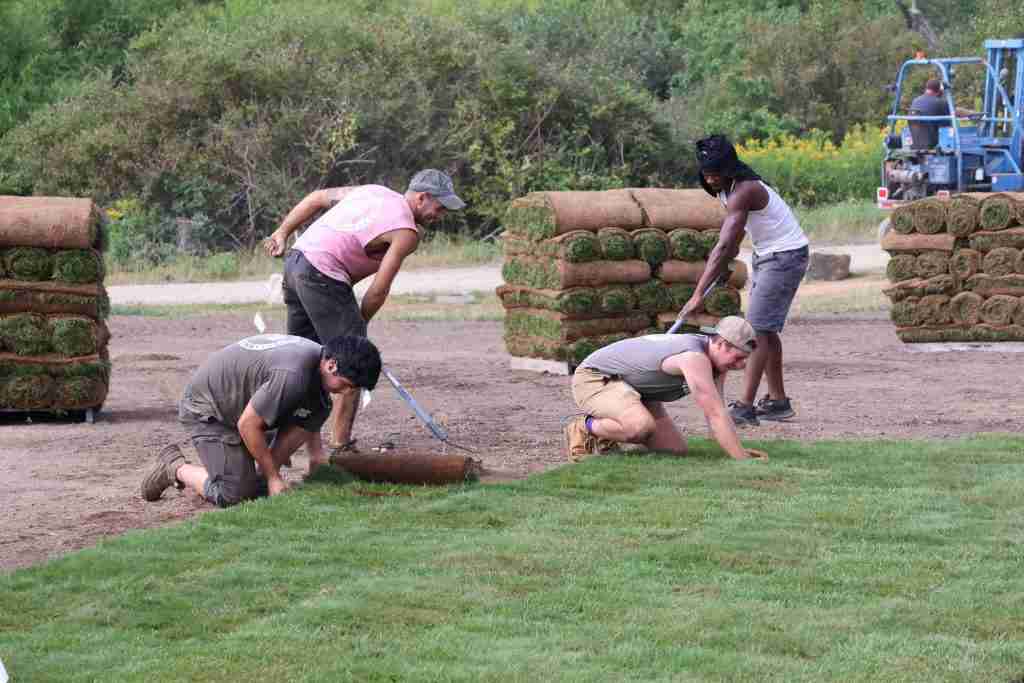
Working in poor conditions can cause long term damage, so waiting is often the responsible choice.
Soil Conditions and Ground Readiness
Even when weather improves, the ground may not be ready.
Delays often occur due to:
- Frozen soil in early spring
- Excessively wet conditions
- Poor drainage areas that take longer to dry
- Clay heavy soils that compact easily
Installing landscapes too early can lead to settlement and failure.

Short Construction Season in Maine
Maine has a limited window for outdoor construction.
This creates:
- High demand in spring and early summer
- Tight schedules across the industry
- Limited flexibility once the season begins
Early planning helps but does not eliminate seasonal pressure.
Material Availability and Supply Chain Issues
Landscape materials are not always immediately available.
Delays may happen when:
- Stone or hardscape materials are backordered
- Specialty plants are unavailable
- Nurseries experience crop shortages
- Delivery schedules shift unexpectedly

Material issues are more common during peak season.
Changes During Construction
Scope changes often slow projects down.
Delays can result from:
- Design changes after work begins
- Material substitutions
- Additional work added mid project
- Budget adjustments
Clear planning reduces the need for changes.
Permitting and Site Constraints
Some projects require approvals or coordination.
Delays may occur due to:
- Permit requirements
- Utility markings
- Property access limitations
- Coordination with other contractors
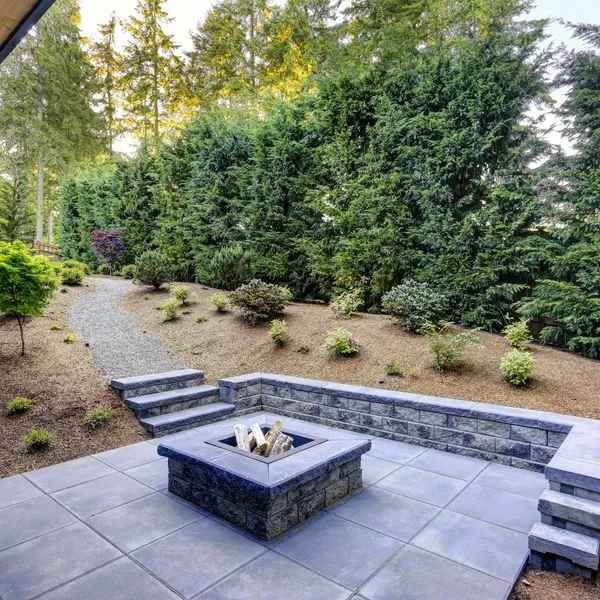
These factors often fall outside direct control.
How to Reduce the Risk of Delays
While delays cannot be eliminated, they can often be minimized.
Helpful strategies include:
- Starting planning early
- Finalizing design before construction
- Being flexible with timing
- Allowing buffer time in schedules
- Communicating clearly throughout the project
Prepared projects experience fewer disruptions.
Why Rushing Often Makes Things Worse
Trying to force work to stay on schedule can backfire.
Rushed projects may lead to:
- Poor installation quality
- Long term performance issues
- Higher maintenance costs
- Need for repairs or rework
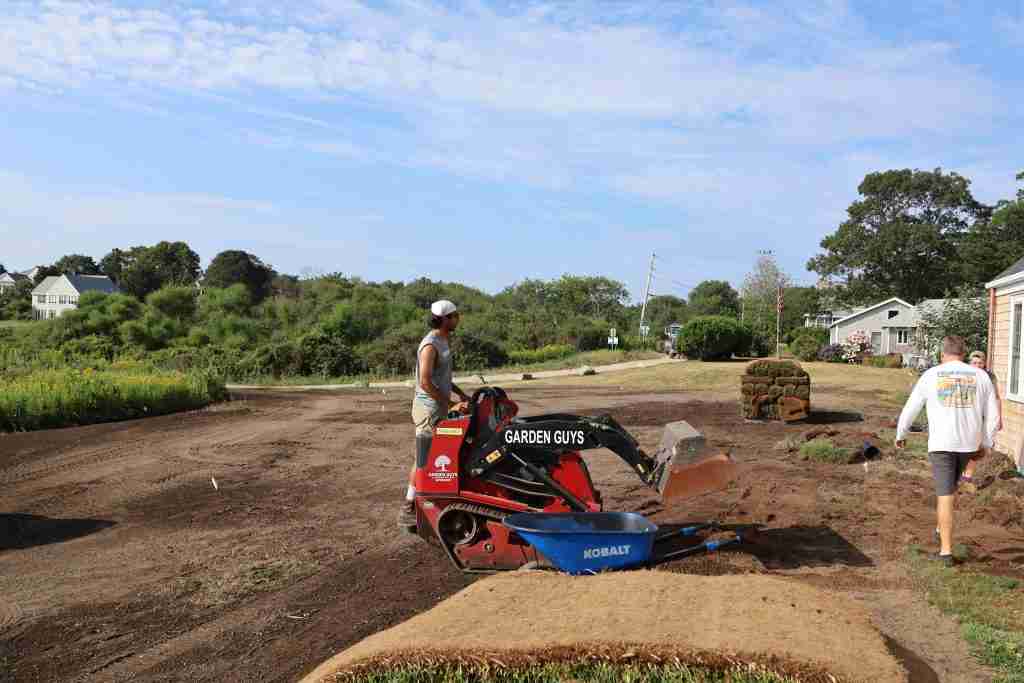
Waiting for proper conditions often protects the investment.
What a Realistic Timeline Looks Like
A realistic timeline accounts for:
- Seasonal weather patterns
- Ground conditions
- Material lead times
- Project complexity
Clear communication helps homeowners understand progress even during delays.
How Professionals Manage Delays
Experienced contractors plan for uncertainty.
This includes:
- Adjusting schedules proactively
- Monitoring site conditions
- Communicating changes early
- Prioritizing quality over speed
Transparency helps reduce frustration.
When to Talk to a Professional
If delays feel excessive or confusing, a professional explanation can clarify what is happening and why.
In Maine, understanding why landscape projects get delayed helps homeowners stay informed, patient, and confident throughout the process.