
Preparing a landscape for winter in Southern Maine involves more than cutting plants back and hoping for the best. Cold temperatures, snow load, wind, salt, and freeze thaw cycles all take a toll on landscapes that are not properly prepared.
A thoughtful winter preparation plan protects plants, reduces damage, and makes spring cleanup easier and more predictable.
Why Winter Preparation Matters in Southern Maine
Southern Maine winters are long and variable. Landscapes experience extended cold, heavy snow, ice buildup, and fluctuating temperatures.
Proper winter preparation helps:
- Reduce plant stress and dieback
- Prevent snow and ice damage
- Limit erosion and soil movement
- Protect hardscape investments
- Improve spring recovery
Skipping preparation often leads to avoidable damage.
Preparing Perennials and Garden Beds For Winter
Perennials benefit from targeted winter care.
Key steps include:
- Cutting back plants that die back naturally
- Leaving select plants standing for winter protection
- Removing diseased material from beds
- Applying mulch where frost heave is a concern
Not all perennials should be treated the same.
Shrub and Tree Preparation
Woody plants require a different approach.
Winter preparation may include:
- Avoiding heavy fall pruning
- Removing dead or damaged branches
- Protecting vulnerable plants from wind
- Addressing structural issues before snow load
Healthy structure reduces winter breakage.
Lawn Preparation Before Winter
Lawns should enter winter healthy but not stressed.
Important steps include:
- Final mowing at the proper height
- Removing leaves and debris
- Avoiding heavy traffic late in the season
- Addressing drainage issues where possible

Poor lawn prep increases winter damage and spring recovery time.
Protecting Hardscapes and Walkways
Hardscapes also require winter preparation.
Considerations include:
- Clearing debris from joints and edges
- Ensuring proper drainage before freeze
- Avoiding damage from improper snow removal
- Planning snow storage locations

Well prepared hardscapes experience fewer winter issues.
Managing Drainage and Water Flow
Water management becomes critical as temperatures drop.
Winter prep should address:
- Downspout discharge areas
- Low spots that collect water
- Areas prone to ice buildup
- Erosion channels
Unmanaged water leads to ice, heaving, and damage.
Mulching for Winter Protection
Mulch plays a different role in winter.
Winter mulching helps:
- Insulate soil
- Protect roots from freeze thaw cycles
- Reduce erosion
- Improve soil structure over time

Mulch should be applied thoughtfully, not excessively.
Dealing With Snow Load and Wind Exposure
Snow and wind cause significant damage.
Preparation strategies include:
- Tying vulnerable shrubs
- Providing wind protection where needed
- Removing weak or crossing branches
- Avoiding heavy decorative elements
Preventive steps reduce breakage and loss.
Salt and Ice Management Considerations
Salt exposure increases during winter.
Landscape preparation should consider:
- Salt tolerant plant placement
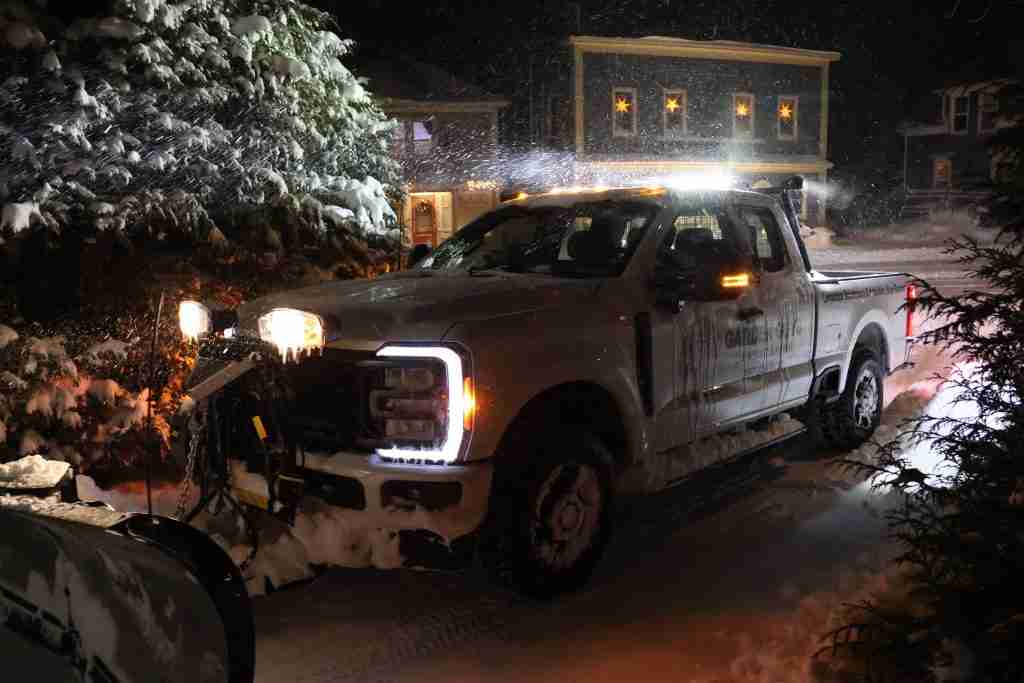
- Setbacks from plowed areas
- Barriers to reduce splash and runoff
- Alternative ice management strategies
Salt damage accumulates over time.
What Not to Do Before Winter
Common mistakes include:
- Heavy pruning late in fall
- Over mulching plants
- Leaving debris in beds
- Ignoring drainage problems
- Waiting until snow arrives
These mistakes increase winter damage risk.
How Winter Preparation Affects Spring Cleanup
Proper winter prep simplifies spring work.
Benefits include:
- Less debris removal
- Reduced plant replacement
- Faster soil warm up
- Earlier spring growth
Winter and spring maintenance are closely connected.
When to Talk to a Professional
If a landscape includes sensitive plants, complex drainage, or extensive hardscaping, professional winter preparation can prevent costly repairs.
In Southern Maine, going beyond basic winter preparation helps landscapes survive harsh conditions and recover more quickly in spring.