
Low maintenance landscapes do not happen by accident. In Southern Maine, maintenance demands are shaped by climate, soil conditions, plant selection, and how a landscape is laid out from the beginning. Many homeowners focus on plant choices alone, but long term maintenance is largely determined by design decisions made before installation.
Designing with maintenance in mind helps reduce labor, control costs, and keep landscapes looking intentional year after year.
What Low Maintenance Actually Means
Low maintenance does not mean no maintenance.
In practice, a low maintenance landscape:
- Requires fewer seasonal interventions
- Is easier to access and care for
- Grows predictably over time
- Avoids constant correction or replacement
The goal is efficiency and consistency, not neglect.
Why Design Has More Impact Than Plant Choice Alone
Plant selection matters, but layout and structure often matter more.
Design decisions influence:
- How easily areas can be reached
- How debris accumulates
- Where weeds take hold
- How plants compete as they mature
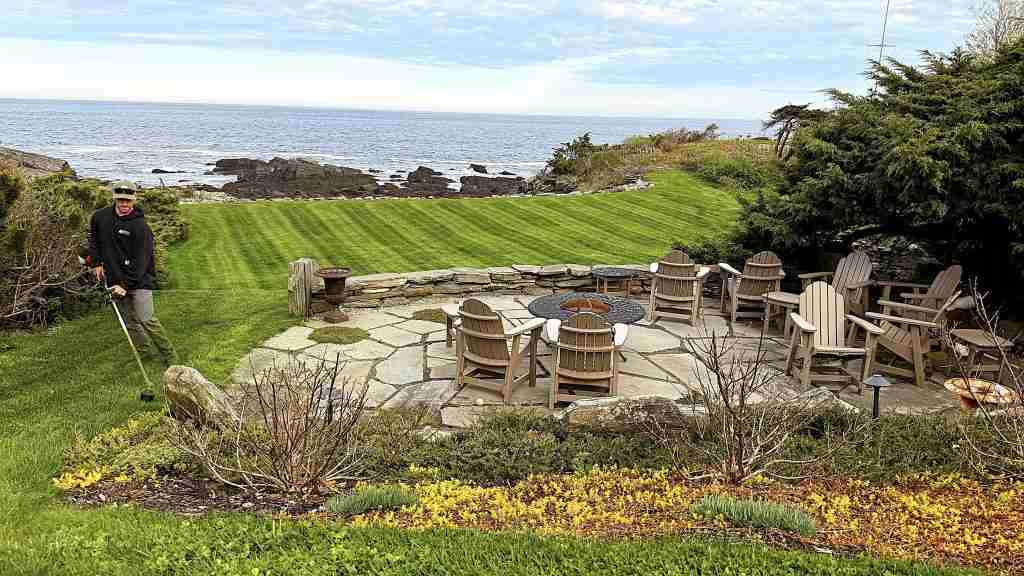
A well designed layout reduces ongoing effort regardless of plant type.
Simplifying Bed Layouts and Edges
Complex shapes increase maintenance.
Low maintenance design often includes:
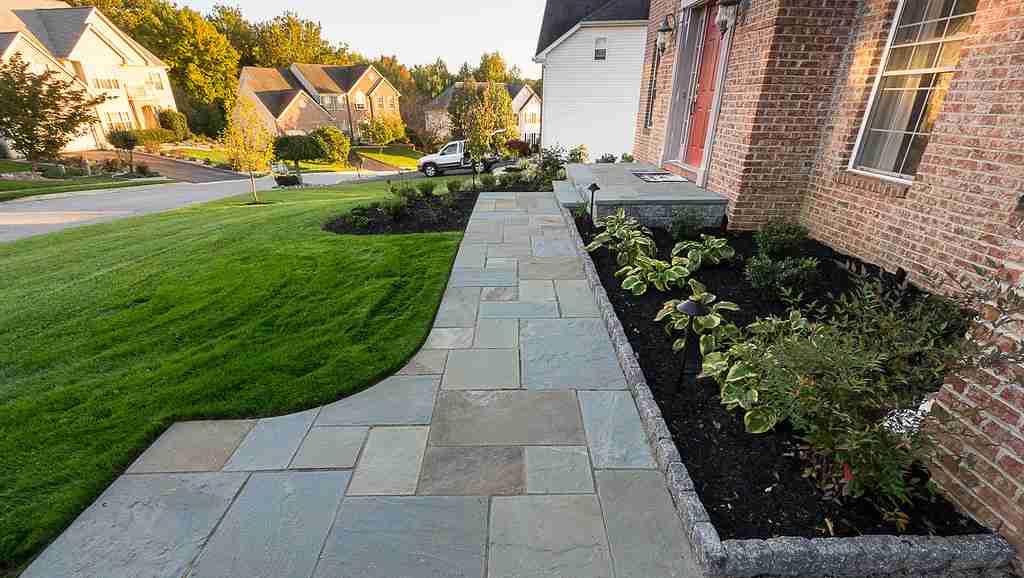
- Clean, defined bed lines
- Gentle curves rather than tight angles
- Logical transitions between lawn and beds
- Edging that holds shape over time
Simple layouts are easier to maintain and look cleaner longer.
Reducing Lawn Areas Strategically
Lawns require frequent mowing and care.
Reducing lawn area can:
- Lower mowing time
- Reduce irrigation needs
- Improve overall efficiency
- Create space for lower maintenance plantings
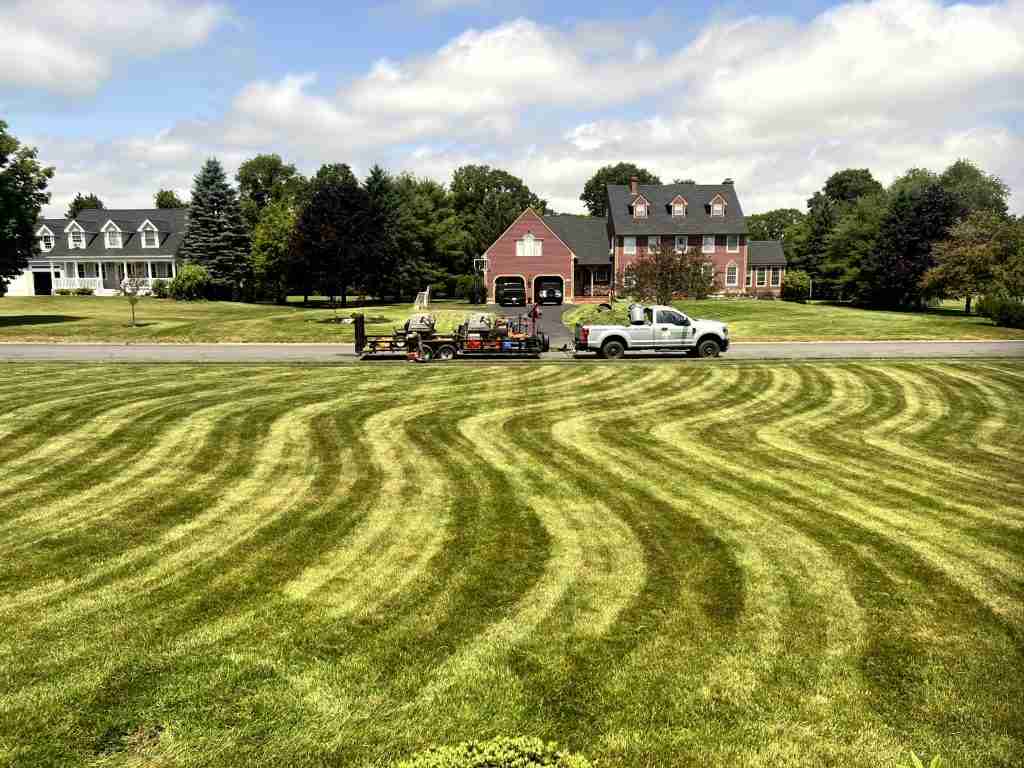
Design should place lawn where it serves a purpose, not everywhere by default.
Grouping Plants by Water and Care Needs
Mixed requirements increase maintenance.
Low maintenance designs group plants based on:
- Similar water needs
- Comparable sun exposure
- Growth rates and mature size
- Pruning and care requirements
This approach simplifies care and reduces stress on plants.
Choosing Plants That Perform Well in Southern Maine
Plant selection should match local conditions which means that native and regionally adapted plants are your best bet.
Low maintenance plant choices typically:
- Tolerate local soils
- Handle wind and winter exposure
- Resist common pests and diseases
- Maintain structure without constant pruning
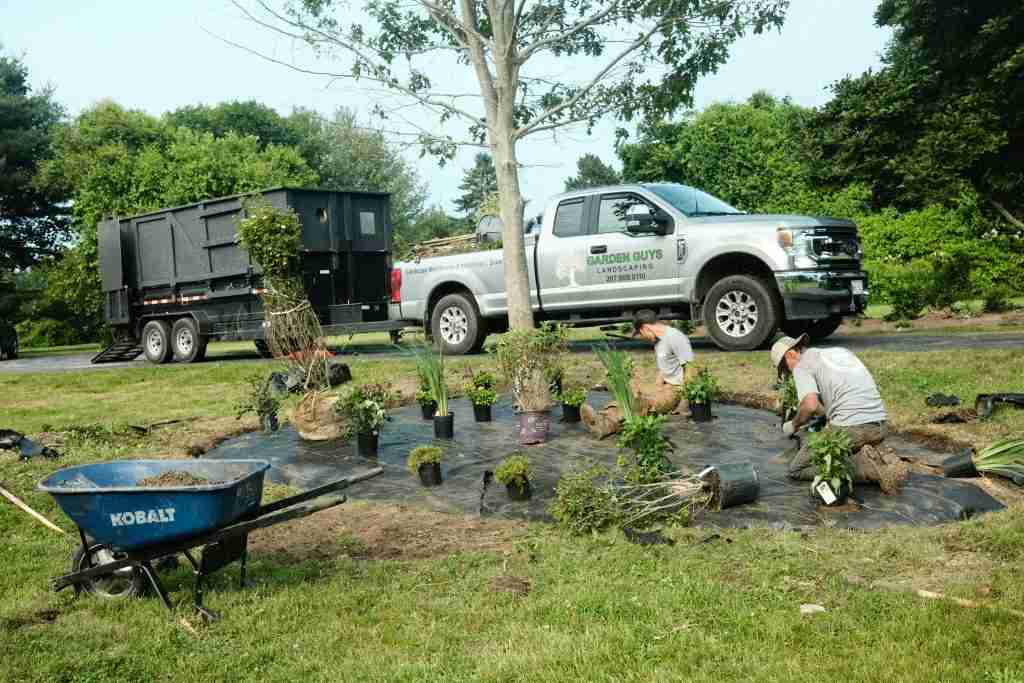
Native and regionally adapted plants often perform best.
Designing for Access and Maintenance Flow
Maintenance becomes difficult when access is limited.
Design planning considers:
- Space for mowing and trimming
- Access for pruning and cleanup
- Avoiding tight planting around structures
- Clear transitions between areas
Good access reduces time and labor.
Using Hardscape to Reduce Maintenance Pressure
Hardscape can support lower maintenance landscapes when used correctly.
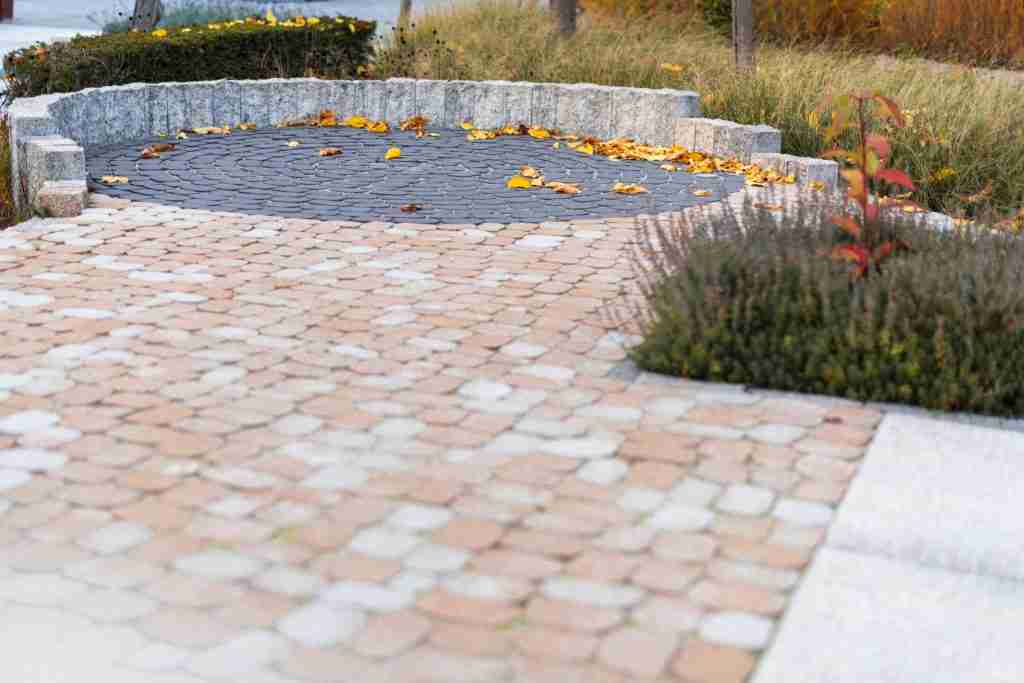
Benefits include:
- Reducing lawn and planting area size
- Creating durable edges
- Improving drainage and access
- Limiting erosion and wear
Hardscape should support function, not just appearance.
Avoiding Common Low Maintenance Myths
Some common misconceptions include:
- Gravel beds eliminate maintenance
- All native plants require no care
- Mulch solves weed problems permanently
- Dense planting always reduces weeds
Poor assumptions lead to higher maintenance later.
How Maintenance Goals Should Shape Design Decisions
Design should reflect realistic maintenance expectations.
This includes:
- How often the property will be serviced
- Whether maintenance is handled professionally or by the homeowner
- Seasonal availability
- Long term budget considerations
Clear goals lead to better design outcomes.
When to Talk to a Professional
If maintenance feels overwhelming or landscapes decline over time, design adjustments may be needed.
In Southern Maine, designing a landscape with maintenance in mind helps homeowners reduce effort, control costs, and enjoy outdoor spaces without constant upkeep.